Hungry Lion operates more than 500 fast-food outlets across seven African countries, creating a complex and highly distributed network environment.
As the business expanded across the continent, maintaining reliable, always-on connectivity became critical to daily operations - from transactions and store systems to customer experience and operational visibility.
In partnership with Seacom as OEM reseller and last-mile provider, Metacom designed and implemented a resilient network architecture built for visibility, scalability, and operational continuity across diverse and often unpredictable infrastructure environments.
This case study explores the challenge, the solution, and the impact the project has had on Hungry Lion’s operations across Africa.
As Hungry Lion expanded rapidly across South Africa and into neighbouring African countries, connectivity became a mission-critical operational dependency.
The business needed a network and support partner who could:
Operating across multiple countries introduced additional complexity, including different infrastructure standards, network providers, and regulatory environments.
As Hungry Lion CTO Shalendra Singh explained, growth did not just expose technical gaps - it exposed operational ones. Consumer-grade connectivity was no longer sufficient; the business needed infrastructure that stayed up everywhere, all the time.
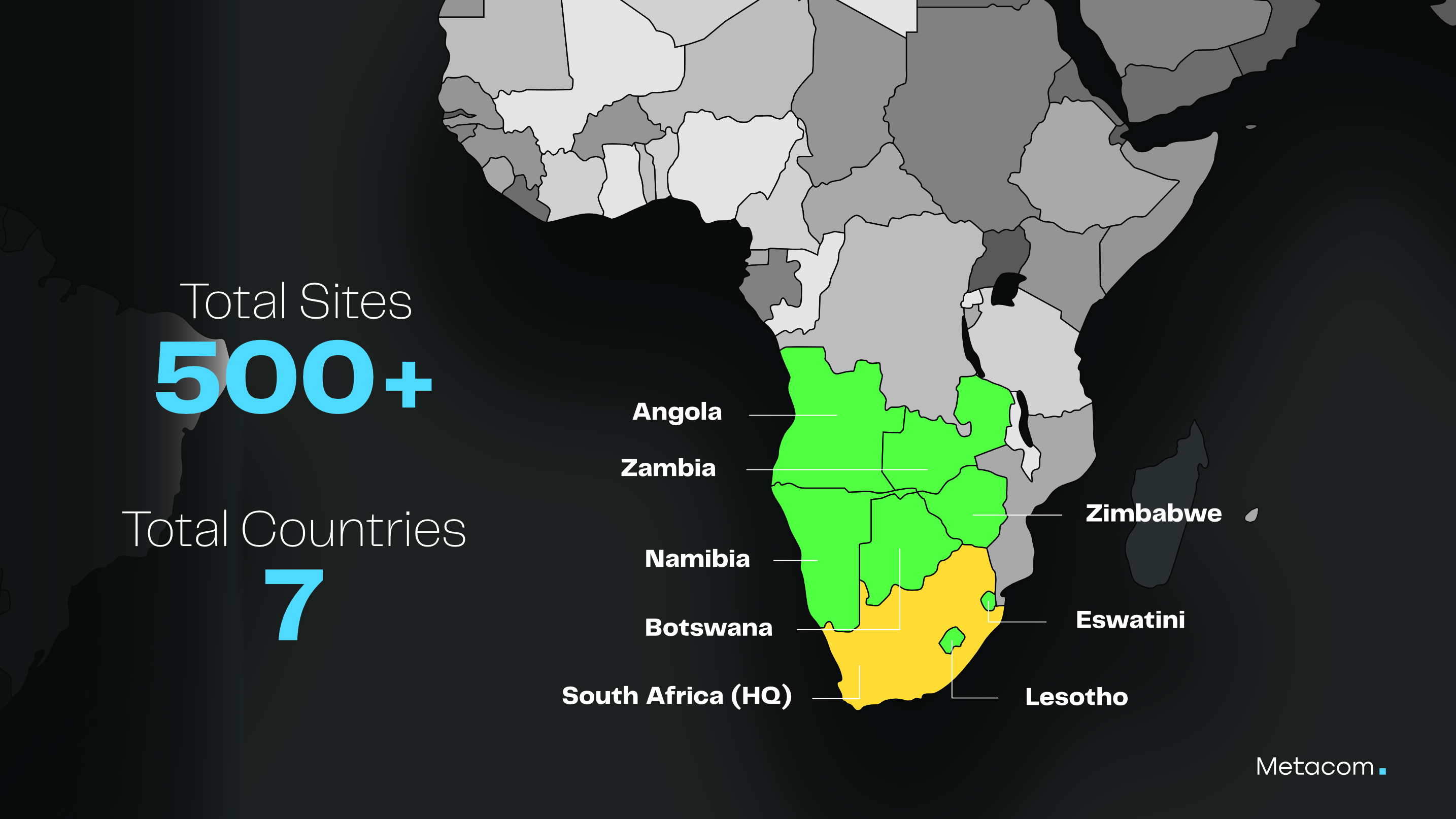
The rollout was one of the most ambitious multi-country retail network deployments in Southern Africa.
The project included:
To ensure accountability and responsiveness, Metacom embedded support teams directly within Hungry Lions ICT operations. This removed the traditional hand-off problem between vendors, resellers, and clients and ensured clear ownership across the project.
This model significantly improved service delivery and operational efficiency.
Following the rollout, Hungry Lion experienced measurable improvements in network performance and operational efficiency.
Key outcomes included:
In an industry where transactions happen every second and margins are tight, these improvements had a direct impact on operational performance and customer experience.
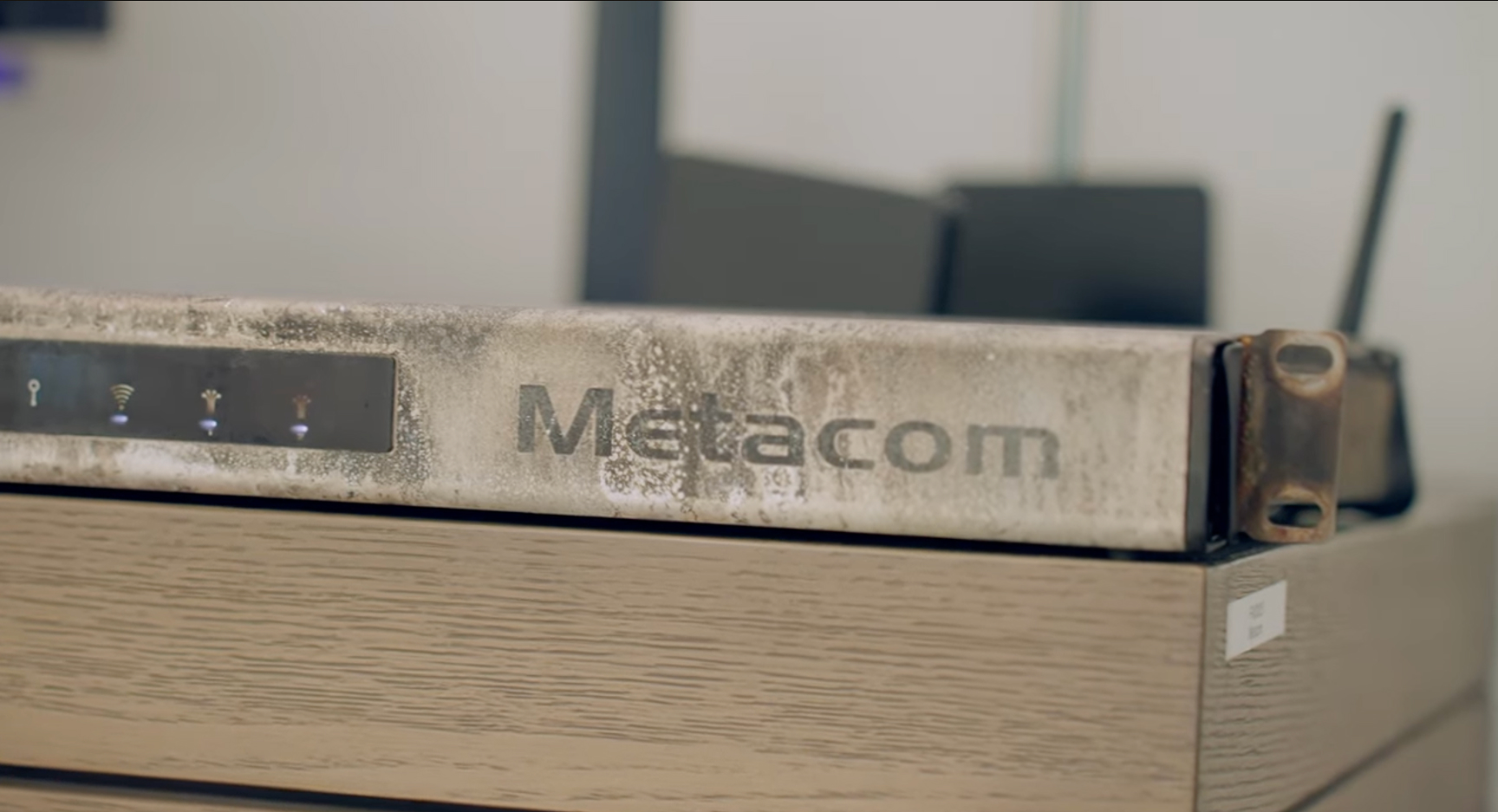
A fire destroyed one of the Hungry Lion branches in the Eastern Cape. The Metacom router installed at the site survived the fire and continued operating afterwards.
This incident demonstrated that the infrastructure had been designed not just for performance, but for real-world operating conditions.
This case study has been featured in multiple industry publications, including:
Hungry Lion’s expansion across Africa highlights a broader shift in how businesses think about infrastructure.
Connectivity is no longer simply an IT function - it is a core operational requirement and a key enabler of growth.
By building infrastructure designed for resilience rather than perfect conditions, Hungry Lion has been able to scale confidently across multiple African markets while maintaining operational continuity and customer experience.
In fast-moving, distributed retail environments, reliable infrastructure is not just a support function - it is a competitive advantage.


00 - 00 - 2021
Trusted reliable Remote Router, used to enable IOT and SCADA communication to more than 20,000 remote sites.
View More00 - 00 - 2021
Trusted reliable Remote Router, used to enable IOT and SCADA communication to more than 20,000 remote sites.
View More00 - 00 - 2021
Trusted reliable Remote Router, used to enable IOT and SCADA communication to more than 20,000 remote sites.
View More